






Searching “apex prop firm” usually means one thing: a trader wants the simplest, fastest route from evaluation to withdrawals—without getting surprised by hidden thresholds or payout denials. Many traders chasing an apex prop firm experience also want clarity on what it takes to become an apex funded trader, and how apex trading funding rules really behave once you’re close to a payout.
This guide is built to help you decide—using a rule-first checklist—whether an Apex-style model fits you, or whether Funded Futures Family is the cleaner match for how you trade.
Is Apex Prop Firm Right For You?
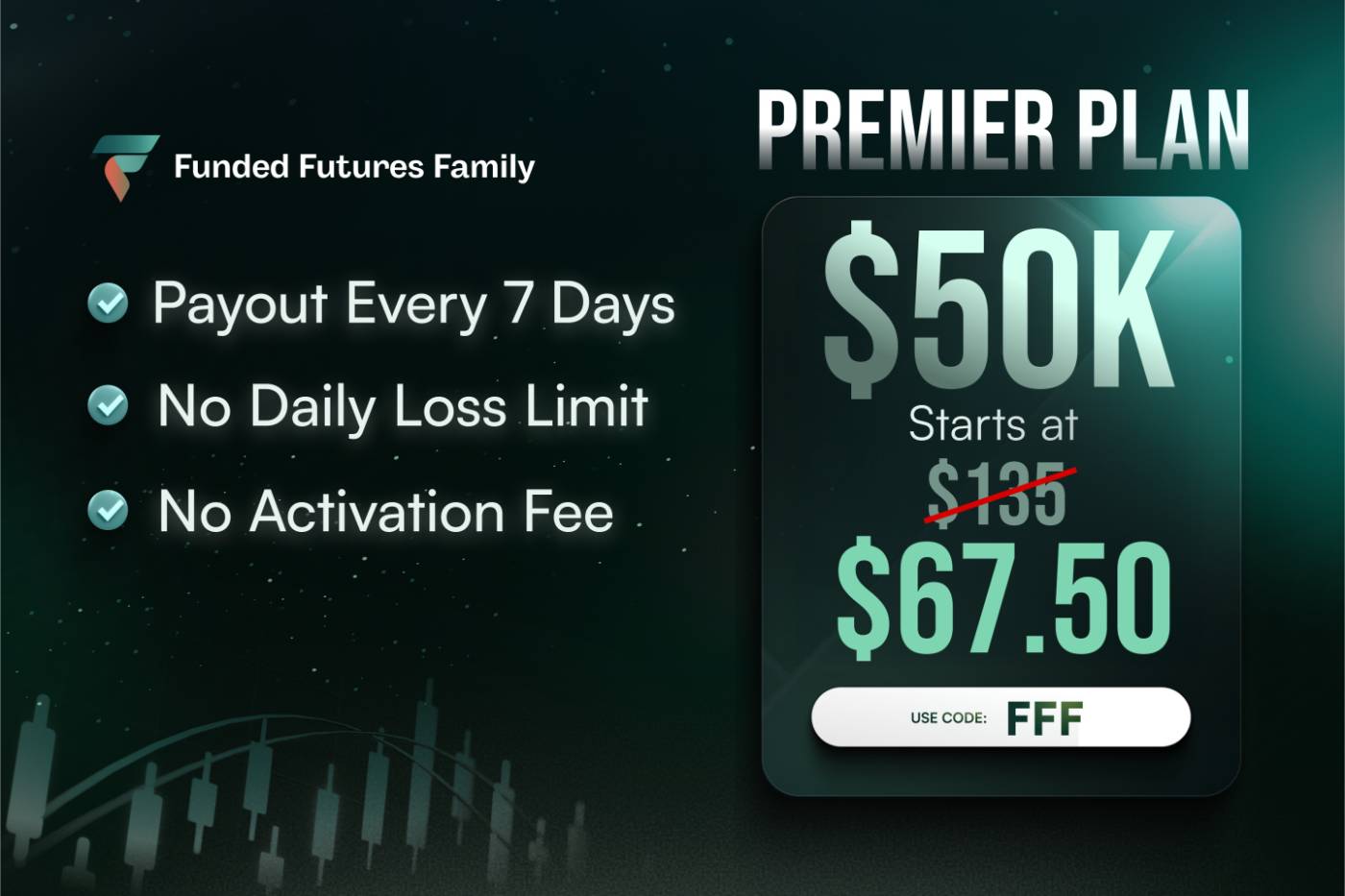
Apex is primarily evaluated on rules and strict trading limits. If you are considering Apex, your decision should be based on whether the firm’s risk limits and payout conditions match how you trade.
This page explains:
- The key risk constraints (especially drawdown) and how they work.
- Common payout blockers, including rule-based consistency limits.
- Expected timelines for becoming eligible to withdraw.
- Fit assessment: when Apex works well and when other prop models may be more appropriate.
How do Apex-style rules typically work (and where traders slip)?
 A common Apex-style evaluation model uses a trailing threshold / drawdown concept where the liquidation threshold can move based on the highest account value reached—even during open trades—so a trader can “win” on closed PnL but still tighten the threshold by hitting a peak intratrade.
In Apex’s published evaluation rules, there is no daily max drawdown limit, the trailing threshold behavior is emphasized, and evaluation completion requires hitting the profit goal without breaching max drawdown plus completing a minimum of seven (non-consecutive) trading days (subject to promos).
The #1 “silent failure” pattern
Peak-based trailing thresholds can punish traders who:
- Scale into positions aggressively.
- Let winners run without predefined pullback logic.
- Trade volatile news spikes without a hard intratrade risk cap.
If the goal is becoming an apex funded trader, treat “not violating the threshold” as a system constraint—not a mindset goal.
What should an apex funded trader check before requesting a payout?
For Apex performance-account payouts (as published by Apex), traders are entitled to 100% of the first $25,000 per account they are paid out and 90% after that, and payout eligibility includes at least 8 trading days with at least 5 days showing $50+ profit plus additional requirements like a “safety net” for early payouts and a 30% consistency rule that limits any single day to 30% of the profit balance at request time.
If someone is pursuing apex trading funding, the takeaway is simple: passing the evaluation is only step one—your payout can still be denied if you keep trading after requesting and fall below required minimums, because the rules warn that requests can be denied when balances drop under thresholds.
Where Funded Futures Family fits as an apex prop firm alternative
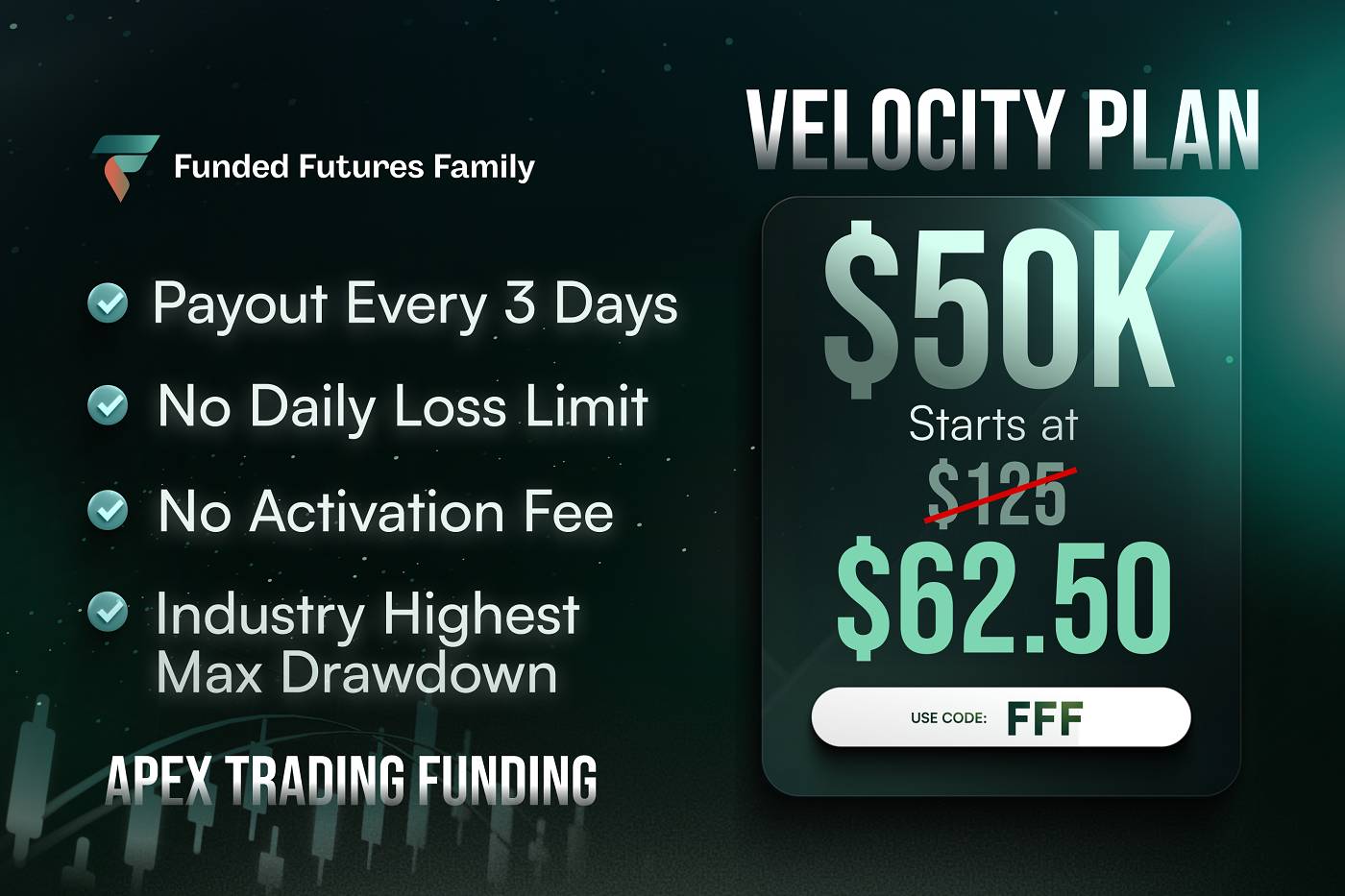 Funded Futures Family is designed around consistency and repeatable withdrawals making it stand above other prop firms like apex trader funding and funding ticks, with published payout requirements that include a consistency-rule ladder (40% for payouts 1–3, 45% for 4–5, 50% for 6+), and an eligibility standard of at least 7 different trading days with $200+ gains per day (non-consecutive) that resets after each payout.
Funded Futures Family also publishes defined processing windows and timelines: requests submitted by Monday 5:00 PM ET are paid out Tuesday, requests by Thursday 5:00 PM ET are paid out Friday, with a stated 24–72 hour arrival window depending on payment processing.
Finally, Funded Futures Family states it may transition a trader to a live funded account after 3 sim payouts or $10,000 in sim payouts (with discretion to do so earlier based on performance).
Which path matches your trading style? (Use this scorecard)
| Decision Factor | Apex-Style Route | Funded Futures Family |
|---|---|---|
| Best Fit Personality | You like strict, numeric constraints and can trade precisely to the rulebook | You want a consistency-driven payout rhythm with a clear payout-day structure |
| Biggest Risk | Trailing threshold and consistency rule surprises near payout time | Meeting the “winning day” definition repeatedly while staying consistent |
| What to Master | Drawdown mechanics and controlling single-day profit concentration | Consistency ladder management and buffer-aware withdrawal planning |
If your goal is “I want the apex prop firm experience, but with fewer moving parts when it’s time to withdraw,” Funded Futures Family tends to be the cleaner alternative—especially for traders who prefer planned, repeatable execution.
FAQs